

| Modell | DMX512 Controller Pixel FEL-CD1 |
| Working Voltage | DC9V(With 110-240VAC Adapter,pls advise the PLUG) |
| Output Signal | DMX512, SPI |
| DMX Interface | XLR-3,RJ45, Terminal Block |
| Working Temperature | -20 ~ 55°C |
| Controller Dimension | 145mm x 78.4mm x 30.5mm |
| Weight | 410g |
DMX Pixel Controller for RGB RGBW with RJ45 XLR
The FEL-CD1 is the dual-output pixel controller for the RGB and RGBW builds: DMX512 and SPI out of one box, with the DMX line landing on XLR-3, RJ45 or the terminal block. It runs on DC9V from the 110-240VAC adapter — advise the plug type at order — carries the wireless remote, and the scheduled playback holds the looks to a timetable. The compact 145×78.4×30.5mm body at 410g sits beside the install it drives — a storefront controller, not a rack unit.
Key Highlights
- Multi-functional Control
- Wireless Remote
- Scheduled Playback
- Multiple Interfaces
- Support DMX&SPI


Category: DMX512-styrenhet , Belysningsstyrenhet , Pixel-LED-styrenhet
Tags: DMX512 , Evenemangsbelysning , RGBW , SPI
The FEL-CD1 is the dual-output pixel controller for the RGB and RGBW pixel builds. One box, two output signals: DMX512 for the fixtures and decoders that hang off the DMX line, SPI for the addressable pixels — and the DMX side lands three ways, on XLR-3, RJ45 or the terminal block. The unit runs on DC9V from the 110-240VAC adapter, so it powers from the wall like a piece of office kit, and the wireless remote plus the scheduled playback mean the install holds its looks without a desk in the room. The body is a compact 145×78.4×30.5mm at 410g — a desktop-scale controller rather than a rack unit.
DMX512 and SPI out of one box
The output signal row names both: DMX512 and SPI. The DMX512 side drives the fixtures and the decoders that speak the standard; the SPI side drives the addressable pixels directly — the RGB and RGBW strips and dots in the product name. One controller covering the two signal types is what the mixed builds ask for: the pixel runs on the SPI output, the conventional DMX gear on the other, and neither needs a second box in between.
XLR-3, RJ45 and the terminal block
The DMX interface lands three ways: the XLR-3 for the stage cabling, the RJ45 for the structured-cabling runs, and the terminal block for the cabinets where the line arrives on stripped conductors. The three interfaces are in the product name and on the specifications page — the same triple the stage bodies in the range carry. The daisy-chain continues out of whichever connection the run arrived on.
Wireless remote and scheduled playback
The wireless remote gives the install handheld control — the looks changed from across the room without opening a laptop. The scheduled playback goes further: the looks run to a timetable, so the storefront holds its morning scheme, shifts at noon and dims into the evening sequence on its own. Between the remote and the schedule, the controller covers the installs that run without an operator and without a desk on site.
Working envelope
Working temperature spans -20°C to +55°C, which covers the shop floors, the bars and the riser cabinets the installs run the controller in. The supply is DC9V from the 110-240VAC adapter — the plug type is advised at order so the adapter suits the country. The body is 145×78.4×30.5mm at 410g: a compact desktop unit that sits beside the install rather than racking into it.
Var den används
The controller earns its place on the pixel builds that need control without a production desk: the retail signage and the window schemes, the bar and club accents, the storefront installs that run on the schedule, and the event pieces that tour with a remote in the flight case. Wherever RGB and RGBW pixels need driving — and the DMX gear beside them needs feeding — one box covers both.
Where it sits in the range
The pixel-control side of the range splits by scale. The CA2 is the Ethernet flagship: ArtNet and sACN in, 16 pixel ports, 5,440 pixels — the media-façade class. The CD1 is this compact DMX-and-SPI controller: the same pixel direction, scaled to the storefront and the event build, powered from a wall adapter with the remote and the schedule on board. The CV decoder family sits alongside both: the DIN rail units, the slim bodies and the stage boxes translate DMX512 into constant-voltage PWM for the strips, and the CD1’s DMX output feeds them.
Specifying the unit
The specifications for the CD1 state the output signals, the three DMX interfaces, the supply, the temperature envelope and the body — the rows above. They do not list the channel count, the pixel-per-port figures, the supported IC list or the output ratings, so those get confirmed with the sales team at order time rather than assumed here. What the page can promise is what the rows carry: DMX512 and SPI out, XLR-3, RJ45 and terminal block on the DMX side, DC9V from the adapter, and the remote and the scheduled playback on top.
Why do buyers pick the FEL-CD1 over the alternatives? Here is what we hear from customers:
DMX512 and SPI out of one box. The pixels on the SPI output and the DMX gear on the other — the mixed builds run without a second controller in between.
Three DMX interfaces. XLR-3 for the stage, RJ45 for the structured cabling, terminal block for the cabinet — the landings the installs actually use.
The wireless remote. Handheld control from across the room — the looks change without a laptop on the counter.
Scheduled playback. The storefront runs its morning scheme, its noon shift and its evening dim on a timetable, with nobody touching the controller.
Desktop scale. 145×78.4×30.5mm at 410g, powered from the 110-240VAC wall adapter — it sits beside the install, not racked behind it.
Built for the unattended build. Remote in the drawer, schedule on the clock — the storefront and the window run themselves between visits.
Two, per the specifications: DMX512 and SPI. The DMX512 side drives the fixtures and decoders that speak the standard; the SPI side drives the addressable RGB and RGBW pixels directly.
XLR-3, RJ45 and the terminal block — all three, per the specifications and the product name. The daisy-chain continues from whichever connection the run arrived on.
The specifications do not list the channel count, the pixel-per-port figures or the supported IC list, so those are confirmed with the sales team at order time rather than estimated here. The page states the output types — DMX512 and SPI, for RGB and RGBW pixels.
DC9V, from the 110-240VAC adapter. The plug type is advised at order so the adapter suits the country it ships to.
The wireless remote gives handheld control of the looks from across the room. The scheduled playback runs the looks to a timetable — the unattended storefronts and windows hold their sequence without an operator.
-20°C to +55°C, which covers the shop floors, the bars and the riser cabinets. The body is 145×78.4×30.5mm at 410g.
Both drive pixels; the scale differs. The CA2 is the Ethernet flagship — ArtNet and sACN in, 16 pixel ports, 5,440 pixels. The CD1 is the compact DMX-and-SPI controller with the remote and the scheduled playback. Confirm the scale of the pixel build with sales if the choice is close.
The specifications list no warranty row, so confirm the warranty terms with the sales team at order time.
The FEL-CD1 drives the RGB and RGBW pixel builds that need control without a production desk — DMX512 and SPI out of one compact box.
Retail signage and windows. Addressable lettering and backdrops on the scheduled playback — the morning scheme, the noon shift and the evening dim run themselves.
Bars and clubs. Pixel accents under the counter and behind the bar, the wireless remote changing the look between sets without a laptop on the pass.
Stage and scenic pieces. Pixel strips on the SPI output and the DMX gear on the XLR — one controller covering both sides of the set.
Event and touring builds. The adapter-powered body in the flight case, the remote doing the programming at the venue.
Cabinets and counters. The compact 410g body beside the install, the terminal block taking the line where it arrives on stripped conductors, the adapter plugged into the wall beside it.
For the media-façade scale, the CA2 carries the Ethernet side — ArtNet and sACN in, 16 pixel ports; and the CV decoder family runs the strips that hang off the CD1’s DMX512 output.
Customer Reviews
Bill Bryant
Interior Design
"iLed provides suitalbe DMX Pixel Controller for their strip LED tape lights to us. They are working flow, stable, not flicker."
Mike Dean
Lighting Design
"Compare with other suppliers, we prefer to the controllers for RGB and RGBW LED Strip Lights from iLed. They don’t have flicker and stable."
Dean Sloan
Produktchef
"iLed’s RGB or RGBW DMX decorders helped us much because of their easy using, strong functions and perfect compatibility."
Cornelia Sing
Sales Manager
"The guys of iLed are always patient and professional for us to solve all kinds of controller operation and using. We are now completely familiar with their dimmers, controllers, decoders. We can also quickly respond to customer projects and win projects."
David Hebert
CEO of EMS
"iLed is always able to quickly and professionally recommend the most suitable control system according to the requirements of our customers’ projects."
Ahamed
Purchasing Director
"iLed remommend their RGB controller for RGB COB LED strip lights, they both work well together.Their dual color,RGB or RGBW controllers can be a group by one remoter."
Bill Bryant
Interior Design
"iLed provides suitalbe DMX Pixel Controller for their strip LED tape lights to us. They are working flow, stable, not flicker."
Mike Dean
Lighting Design
"Compare with other suppliers, we prefer to the controllers for RGB and RGBW LED Strip Lights from iLed. They don’t have flicker and stable."
Dean Sloan
Produktchef
"iLed’s RGB or RGBW DMX decorders helped us much because of their easy using, strong functions and perfect compatibility."
Cornelia Sing
Sales Manager
"The guys of iLed are always patient and professional for us to solve all kinds of controller operation and using. We are now completely familiar with their dimmers, controllers, decoders. We can also quickly respond to customer projects and win projects."
David Hebert
CEO of EMS
"iLed is always able to quickly and professionally recommend the most suitable control system according to the requirements of our customers’ projects."
Ahamed
Purchasing Director
"iLed remommend their RGB controller for RGB COB LED strip lights, they both work well together.Their dual color,RGB or RGBW controllers can be a group by one remoter."
Bill Bryant
Interior Design
"iLed provides suitalbe DMX Pixel Controller for their strip LED tape lights to us. They are working flow, stable, not flicker."
Mike Dean
Lighting Design
"Compare with other suppliers, we prefer to the controllers for RGB and RGBW LED Strip Lights from iLed. They don’t have flicker and stable."
Dean Sloan
Produktchef
"iLed’s RGB or RGBW DMX decorders helped us much because of their easy using, strong functions and perfect compatibility."
Cornelia Sing
Sales Manager
"The guys of iLed are always patient and professional for us to solve all kinds of controller operation and using. We are now completely familiar with their dimmers, controllers, decoders. We can also quickly respond to customer projects and win projects."
David Hebert
CEO of EMS
"iLed is always able to quickly and professionally recommend the most suitable control system according to the requirements of our customers’ projects."
Ahamed
Purchasing Director
"iLed remommend their RGB controller for RGB COB LED strip lights, they both work well together.Their dual color,RGB or RGBW controllers can be a group by one remoter."
Related Products

DMX512 LED Downlight RGB RGBW Programable Surface Mounted Spotlight
LED-belysning för kommersiellt bruk
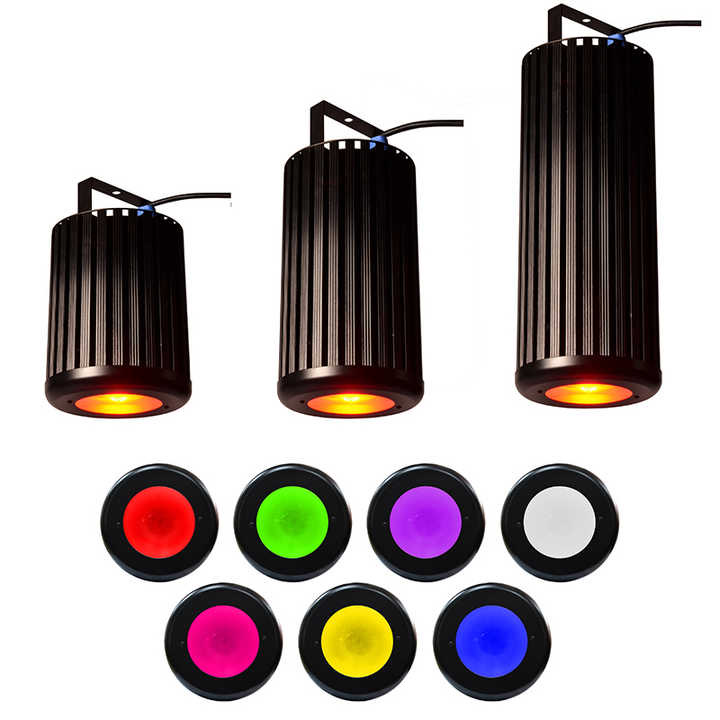
DMX House Lights RGBW LED 160W for Church Lighting
LED-belysning för kommersiellt bruk
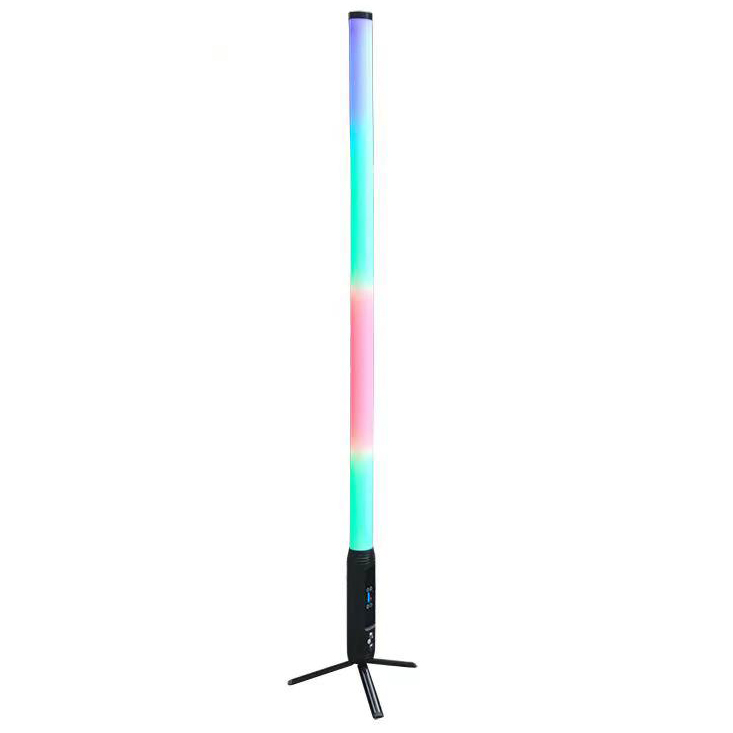
Battery Powered Trade Show Lights 360 Degree Tube
Dekorativ LED-belysning
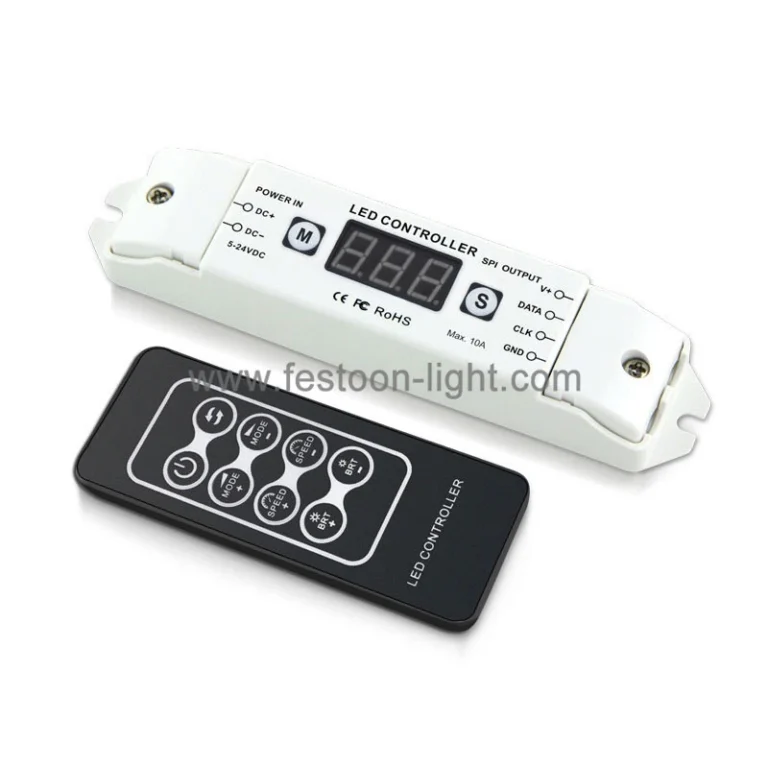
Pixel Light Controller RGB RGBW with Remoter
Belysningsstyrenhet
Need Custom Solutions?
All of our LED lighting solutions can be customised to your needs. We also offer free, no-obligation consultations, prototype development, sample testing and can assist with your development projects.
Simply contact us with your special requirements and our experts will gladly help you find the best solution for your project.