

| Model | Pixel Light Controller RGB RGBW LED SPI Trigger FEL-CP4 |
| Working Voltage | DC5-DC24V |
| Activation Voltage Trigger Function | DC5-DC24V |
| Load Current MAX | 10A |
| Max Output Power | 50W(5V)/120W(12V)/240W(24V) |
| Working Temperature | -20 ~ 55°C |
| Controller Dimension | 135mm x 30mm x 20mm |
| Weight | 61g |
Pixel Light Controller RGB RGBW LED SPI Trigger
The FEL-CP4 is the trigger-input pixel controller for the RGB and RGBW runs: up to 1,000 pixels at 10 amps — 50 watts on 5V, 120 on 12V, 240 on 24V — with 54 adjustable lighting modes and 8 built-in timing settings. The activation-voltage trigger takes 5-24V from a switch, a sensor or a relay, and the OLED display runs the operation with the two-channel switch support alongside. The inline 135×30×20mm body at 61g sits in the run it drives — the pixels answer the building, not just a remote.
Key Highlights
- OLED display, easy operation
- Controls up to 1000 pixels
- 54 adjustable lighting modes
- channel switch support
- 8 built-in timing settings

Category: Lighting Controller , Pixel LED Controller
Tags: Event Lighting , RGB , RGBW
The FEL-CP4 is the trigger-input pixel controller for the RGB and RGBW runs — the CP1’s inline body with the trigger function and the OLED added. Up to 1,000 pixels at 10 amps, 54 adjustable lighting modes, 8 built-in timing settings, and the feature the name carries: an activation-voltage trigger that takes 5-24V from a switch, a sensor or a relay and sets the run in motion. The supply ranges DC5-24V at up to 240 watts on 24V, the OLED display runs the operation from the unit, and the two-channel switch support covers the paired inputs. The body is the same inline 135×30×20mm strip at 61g — lighter than the CP1, mounted in the run.
Up to 1,000 pixels at 10 amps
The controller drives up to 1,000 pixels on the run, at a load ceiling of 10 amps — 50 watts of 5V strip, 120 of 12V, 240 of 24V. That is five to six times the pixel capacity of the CP2’s single DMX port, in a body that still hides in the cove or the joinery. The supply ranges DC5-24V, matched to the strip, and the load moves with the voltage the run carries.
The activation-voltage trigger
The trigger function takes an activation voltage — 5 to 24V — and the run responds when it arrives. Wire the input to the switch, the sensor or the relay that suits the build: the door contact fires the entrance sequence, the presence sensor brings the counter accent up, the alarm panel or the show relay starts the scene. The trigger voltage spans the same 5-24V range as the supply, so the control voltage comes off the same family of sources.
54 modes and 8 timing settings
The effects library runs to 54 adjustable lighting modes — the looks cycled from the unit or set once and left. The 8 built-in timing settings put the run on a clock: the sequence plays at the hours the install needs, which is what the unattended windows and the after-hours frontage ask for. Between the modes and the timings, the run holds a show without a controller in sight.
The OLED and the two-channel switch
The OLED display runs the operation from the unit — the mode, the timing and the settings read and set on the spot, which is what easy operation means at the inline scale. The two-channel switch support covers the paired inputs: two switch lines, two triggers, one controller. For the builds that want the colour run and the white run reacting to separate inputs, the channels are there.
Working envelope
Working temperature spans -20°C to +55°C, which covers the shop floors, the counters and the cabinets the controller lives in. The supply is DC5-24V at up to 10 amps, and the body is 135×30×20mm at 61g — the same inline envelope as the CP1, lighter still, tucked into the run with the OLED showing the state.
Where it gets used
The controller earns its place on the builds that react: the entrance sequence that fires when the door contact closes, the counter accent that wakes with the presence sensor, the window scheme that runs its timing through the trading day and its evening look after close. Wherever the pixels should answer a switch, a sensor or a clock — not just a remote — this is the inline unit.
Where it sits in the range
The pixel range splits by control style. The CP1 is the RF-remote inline controller for the simple runs; the CP4 is this trigger-and-timing unit at up to 1,000 pixels — the same body with the brains added. The CP2 decodes one port of 170 RGB pixels off the DMX line, the CD1 adds the desktop DMX-and-SPI control with the scheduled playback, and the CA2 carries the Ethernet side with 16 pixel ports and 5,440 pixels. Pick by what the run should answer: a remote, a voltage, a clock or the network.
Why do buyers pick the FEL-CP4 over the alternatives? Here is what we hear from customers:
The trigger input. The run answers a switch, a sensor or a relay at 5-24V — the pixels react to the building, not just to a remote.
Up to 1,000 pixels. Five times the CP2’s single-port capacity, in a body that still hides in the run it drives.
54 modes, 8 timings. The effects library and the built-in clock hold a show without a controller in sight.
The OLED display. The operation happens at the unit — the mode and the timing read and set on the spot.
Two-channel switch support. The paired inputs run the colour and the white separately, off the same controller.
10 amps at up to 240 watts. The full run on one inline body, from the 5V pixels to the 24V ones, with the -20 to +55°C envelope behind it.
RGB and RGBW pixel runs up to 1,000 pixels, at a load ceiling of 10 amps — 50 watts of 5V strip, 120 of 12V, 240 of 24V, with the supply matched to the strip.
The trigger input takes an activation voltage of 5-24V — from a switch, a sensor or a relay — and the run responds when the voltage arrives. It is the feature the product name carries, and the trigger range matches the supply range.
DC5-24V, matched to the strip, at up to 10 amps. The power figure follows the voltage, per the 50/120/240-watt range above.
54 adjustable lighting modes, and 8 built-in timing settings that run the sequence on a clock — the unattended windows and the after-hours frontage hold their show without an operator.
The OLED display runs the operation at the unit — the mode, the timing and the settings read and set on the spot. The two-channel switch support covers the paired inputs, so the colour and the white react to separate lines.
-20°C to +55°C, which covers the shop floors, the counters and the cabinets the controller lives in. The body is 135×30×20mm at 61g — the same inline envelope as the CP1, lighter still.
The specifications do not list the supported ICs, so confirm the IC on your strip with the sales team at order time before committing the run.
The specifications list no warranty row, so confirm the warranty terms with the sales team at order time.
The FEL-CP4 runs the pixel builds that react — the trigger-input controller for the runs that answer a switch, a sensor or a clock.
Entrances and doorways. The door contact fires the welcome sequence across the cove, the trigger input taking the 5-24V from the contact and doing the timing to the metre.
Counters and bars. The presence sensor wakes the accent strip when the guest arrives, the OLED showing the mode on site without a laptop.
Windows and frontages. The trading-day scheme on the 8 timing settings, the evening look following on the clock after close, nobody on the keys.
Scenic and set pieces. The show relay triggers the scene at the cue, the 54 modes carrying the looks between the acts.
Cabinets and joinery. The 61g inline body hidden in the run, the two switch channels running the colour and the white separately.
For the builds that answer a remote instead, the CP1 runs the same inline body with the RF handset; for the desk-driven and the network-driven installs, the CP2 and the CA2 carry the DMX and the Ethernet sides.
Customer Reviews
Bill Bryant
Interior Design
"iLed provides suitalbe DMX Pixel Controller for their strip LED tape lights to us. They are working flow, stable, not flicker."
Mike Dean
Lighting Design
"Compare with other suppliers, we prefer to the controllers for RGB and RGBW LED Strip Lights from iLed. They don’t have flicker and stable."
Dean Sloan
Product Manager
"iLed’s RGB or RGBW DMX decorders helped us much because of their easy using, strong functions and perfect compatibility."
Cornelia Sing
Sales Manager
"The guys of iLed are always patient and professional for us to solve all kinds of controller operation and using. We are now completely familiar with their dimmers, controllers, decoders. We can also quickly respond to customer projects and win projects."
David Hebert
CEO of EMS
"iLed is always able to quickly and professionally recommend the most suitable control system according to the requirements of our customers’ projects."
Ahamed
Purchasing Director
"iLed remommend their RGB controller for RGB COB LED strip lights, they both work well together.Their dual color,RGB or RGBW controllers can be a group by one remoter."
Bill Bryant
Interior Design
"iLed provides suitalbe DMX Pixel Controller for their strip LED tape lights to us. They are working flow, stable, not flicker."
Mike Dean
Lighting Design
"Compare with other suppliers, we prefer to the controllers for RGB and RGBW LED Strip Lights from iLed. They don’t have flicker and stable."
Dean Sloan
Product Manager
"iLed’s RGB or RGBW DMX decorders helped us much because of their easy using, strong functions and perfect compatibility."
Cornelia Sing
Sales Manager
"The guys of iLed are always patient and professional for us to solve all kinds of controller operation and using. We are now completely familiar with their dimmers, controllers, decoders. We can also quickly respond to customer projects and win projects."
David Hebert
CEO of EMS
"iLed is always able to quickly and professionally recommend the most suitable control system according to the requirements of our customers’ projects."
Ahamed
Purchasing Director
"iLed remommend their RGB controller for RGB COB LED strip lights, they both work well together.Their dual color,RGB or RGBW controllers can be a group by one remoter."
Bill Bryant
Interior Design
"iLed provides suitalbe DMX Pixel Controller for their strip LED tape lights to us. They are working flow, stable, not flicker."
Mike Dean
Lighting Design
"Compare with other suppliers, we prefer to the controllers for RGB and RGBW LED Strip Lights from iLed. They don’t have flicker and stable."
Dean Sloan
Product Manager
"iLed’s RGB or RGBW DMX decorders helped us much because of their easy using, strong functions and perfect compatibility."
Cornelia Sing
Sales Manager
"The guys of iLed are always patient and professional for us to solve all kinds of controller operation and using. We are now completely familiar with their dimmers, controllers, decoders. We can also quickly respond to customer projects and win projects."
David Hebert
CEO of EMS
"iLed is always able to quickly and professionally recommend the most suitable control system according to the requirements of our customers’ projects."
Ahamed
Purchasing Director
"iLed remommend their RGB controller for RGB COB LED strip lights, they both work well together.Their dual color,RGB or RGBW controllers can be a group by one remoter."
Related Products
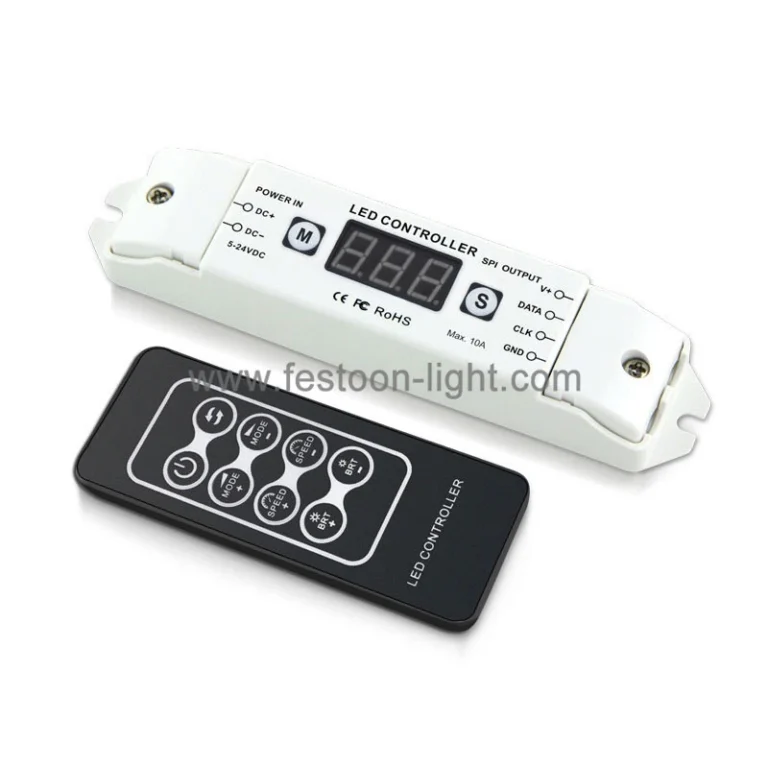
Pixel Light Controller RGB RGBW with Remoter
Lighting Controller
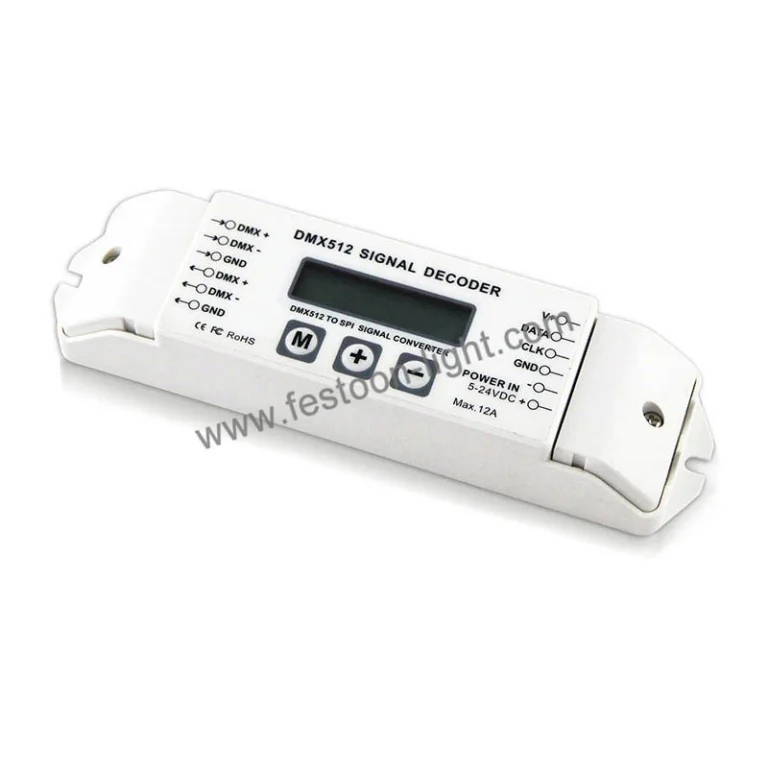
DMX SPI Decoder DMX512 Signal to SPI
Lighting Controller
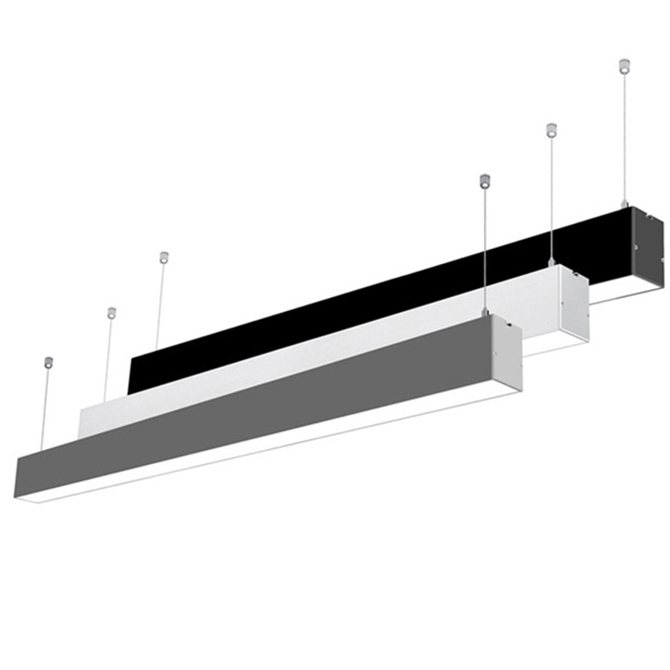
Custom LED Linear Light Pendant Flush Mount Ceiling for Office Lighting
Commercial LED Light

DMX512 LED Downlight RGB RGBW Programable Surface Mounted Spotlight
Commercial LED Light
Need Custom Solutions?
All of our LED lighting solutions can be customised to your needs. We also offer free, no-obligation consultations, prototype development, sample testing and can assist with your development projects.
Simply contact us with your special requirements and our experts will gladly help you find the best solution for your project.