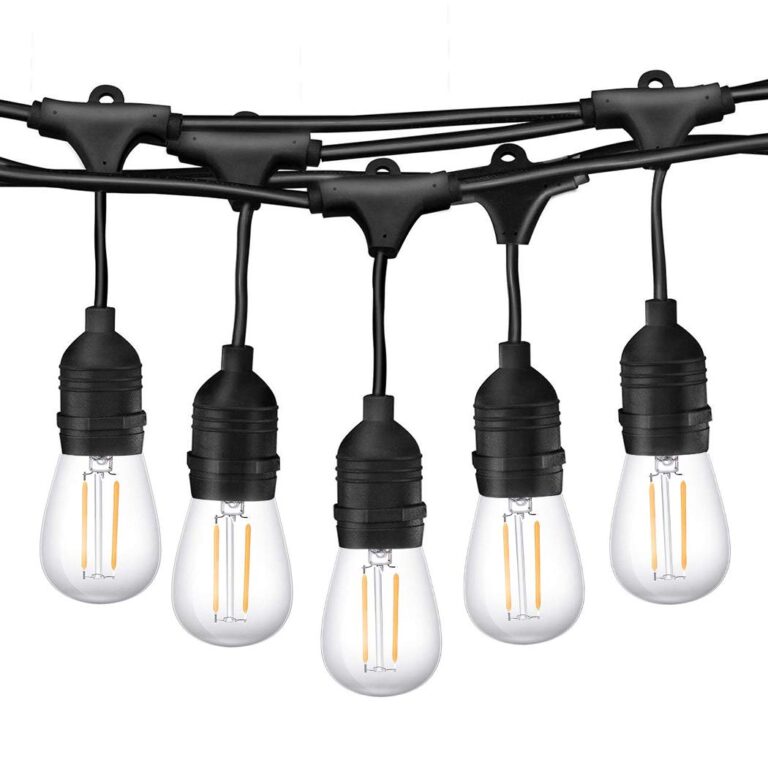



The ILED-BL032 is the candle bulb for the fittings that sit at eye level and never stop being looked at: chandeliers, wall sconces, the table lamps in a restaurant or a hotel lounge. It is an LED filament bulb behind amber-tinted glass — the warm, golden read of the old incandescent candle lamps, without the heat, the glare or the short life.
The amber glass and the filaments
The amber tint is what separates this bulb from a plain glass candle. The tinted glass warms the light before it leaves the bulb and softens the filaments to a glow, which is why the amber candle shows up in the fittings where the bulb is visible — the open chandeliers, the cage fittings, the bare-bulb pendant positions. Inside, the LED filaments run vertically through the capsule like the tungsten wires they replace, so the bulb reads as a filament lamp from any angle.
Four outputs
The range runs 2W, 4W, 6W and 8W, ordered against the fitting and the room. The 2W and 4W suit the multi-arm chandeliers where a dozen bulbs run together and the combined load matters. The 6W and 8W carry the single fittings and the positions that need the light to work as well as glow. Colour runs 3000K, 4000K and 6000K, chosen at order: warm for the dining and hospitality interiors, neutral and cool for the spaces that read more modern. The 3000K is the usual choice under the amber glass, because the tint and the warm bin do the same job in the same direction — the cooler bins are for the interiors that want the contrast.
Dimming
The bulb dims on a compatible dimmer, which is the behaviour the candle positions want: the chandelier over the dinner table drops to a glow after the service, and the wall fittings run low through the evening. Match the dimmer to the bulb and the supply — the 220V and 110V versions dim on the mains dimmers their markets use — and set the low end before the guests arrive, because the minimum level is the part every dimmer handles differently.
The caps
The cap choice covers E27 and E26 screw caps, E14 and E12 small chandelier sockets, and B22 and B15 bayonets. One bulb range covers the chandeliers, the sconces and the table lamps across the European, American and bayonet markets, so a hotel or a restaurant chain runs the same bulb everywhere without adapters.
Où est-il utilisé ?
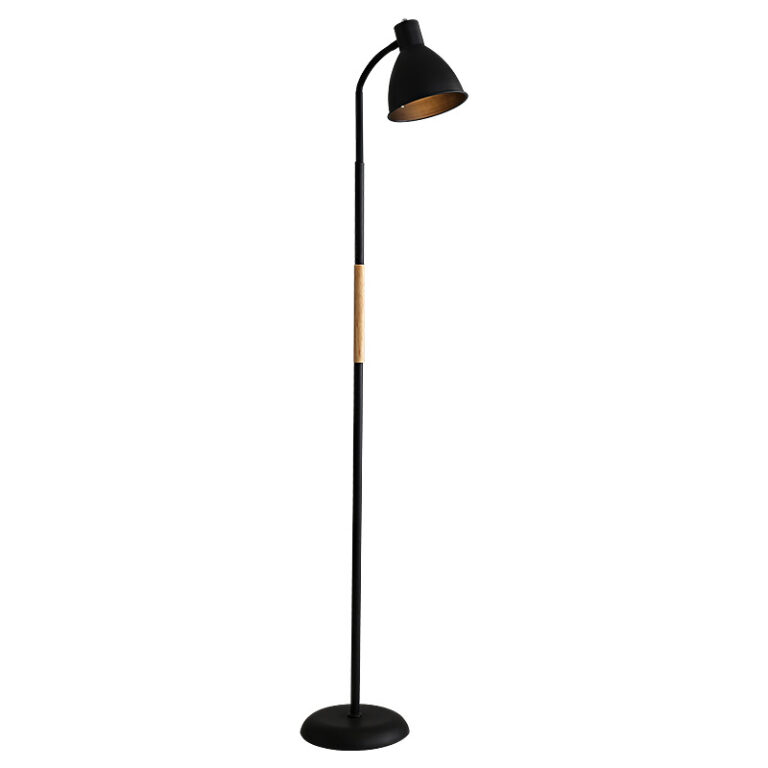
Chandeliers and multi-arm fittings, where the amber candle is the look and the dimming is the behaviour. Wall sconces and bathroom-adjacent dry positions, where the bulbs sit at eye level. Hotel lounges, restaurants and bars, where the fittings run all evening on a dimmer. Table lamps and floor lamps in the interiors that read vintage or warm. And retail and hospitality feature fittings, where the amber glow is part of what the space sells. Two practical checks at order: the cap against the socket the fittings carry, and the dimmer against the bulb, because the amber candle is usually the bulb the evening dimming runs on.
Specifying the bulb
Three decisions shape the order: the wattage against the fitting and the room, the colour temperature against the interior, and the cap against the socket the fitting carries. Count the bulbs a multi-arm chandelier runs together before choosing the wattage, because a dozen 8W bulbs is a different load than a dozen 2W ones. Confirm the dimmer type against the bulb if the evening setting matters, and order the caps to match the sockets the fittings carry — the range covers all six, so the retrofit needs no adapters.