


The ILED-PD5 is the pendant that started the industrial look: a black metal shade on a cord, an E27 socket inside, and the bulb itself on display. There is no diffuser, no hidden engine and no plastic to apologise for — the fitting is the shade, the cord and the socket, and the bulb you screw into it is part of the design rather than a component to hide.
The shade and the cord
The shade is metal, finished black, proportioned to throw a 120° beam down and out without blinding anyone at the dining table. The cord suspension is set to the drop the space needs, so the same fixture hangs low over a café table or higher over a kitchen bench. Black is the finish the loft interiors call for; it reads against brick, timber and white plaster, and it disappears against a dark ceiling.
The E27 bulb is the source
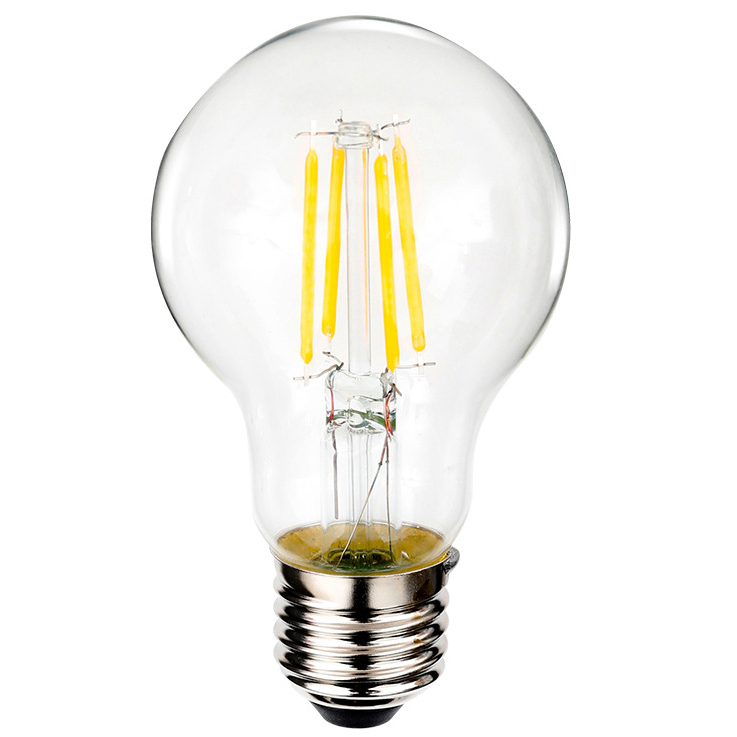
The fixture takes any standard E27 bulb, and that choice is the whole personality of the light. An Edison-style filament LED gives the vintage look the retro interiors want. A plain warm-white LED gives more lumens for a working kitchen. The specification covers LED bulbs at 80 lumens per watt, CRI above 80, colour from 2800K to 6500K — warm tungsten through to cool daylight — so the bulb decides where the light lands on that scale. A dead bulb is a ten-second swap, and an upgrade later is a bulb change, not a fitting change.
Où est-il utilisé ?
Over the living room corner or the reading chair, hung low with a warm filament bulb. Over the kitchen bench or the dining table, where a pair of them runs the length of the counter. In cafés, bars and loft conversions, where the black shade and the visible bulb are the look the fit-out is paying for. And over retail displays and stair positions, where the industrial fitting suits the merchandise or the space.
Wiring and installation
The fixture runs on 220-240VAC, is rated IP42 for dry indoor rooms, and carries SAA, CE and RoHS certification with a two-year warranty. The installation is the simple pendant procedure: fix the canopy, wire the cord, hang the shade, screw in the bulb. Confirm the earth at the ceiling point before ordering, and have the wiring done by a licensed electrician. Because the shade is metal and the bulb sits open inside it, the bulb choice also sets the glare: a filament bulb reads soft from the side, while a bare bright LED reads hot from below, which is why the living room positions usually run the warmer, gentler bulbs.
Choosing the bulb
Three decisions set the light: the colour temperature against the room, the brightness against the table or the floor below, and whether the bulb dims. A dimmable bulb pairs with a compatible dimmer for the evening setting; a non-dimmable bulb switches. Match the bulb’s beam and lumens to the position, and keep the spare bulbs with the fitting, because the industrial look depends on the bulb that is in it. One practical note: keep every bulb in a multi-pendant row the same model, because a mixed set of colour temperatures reads as a fault from across the room.
Specifying the pendant
Four decisions shape the order: the drop height against the table or the bench, the bulb against the light the position needs, the number of fittings against the run, and the dimmer against the bulbs if the evening setting matters. Confirm the earth at the ceiling point early, because the wiring is the one part of the job that is not visible at the end but is the part the inspection cares about. With those set, the fitting is the simplest pendant in the range to order: a shade, a cord, a socket and a bulb.