

| Modèle | DMX SPI Decoder DMX512 Signal to SPI FEL-CP2 |
| Working Voltage | DC5V-24V |
| Input Signal | DMX512/1990 |
| Output Signal | 6803/8806/2811/2801/3001/9813/1814/6812 selectable |
| Driving channel | 510(RGB)/512(RGBW) |
| Control Pixel | 170(RGB)/128(RGBW) |
| Working Temperature | -20 ~ 55°C |
| Controller Dimension | 176×46×30mm |
| Weight | 180g |
DMX SPI Decoder DMX512 Signal to SPI
The FEL-CP2 is the DMX-to-SPI decoder for the pixel runs: DMX512/1990 in, SPI out to 170 RGB pixels — 510 DMX slots — or 128 RGBW pixels across the full 512. The output IC selects across 2811, 6803, 8806, 2801, 3001, 9813, 1814 and 6812, the LCD screen carries the config, and the overcurrent and wiring protection looks after the run. DC5-24V, and the slim 176×46×30mm body at 180g mounts beside the strip it drives — the pixel-side twin of the CV decoders on the same shelf.
Key Highlights
- Supports DC5V-24V
- DMX512 to SPI signal
- Features LCD screen
- Compatible with various ICs
- Overcurrent & wiring protection


Category: Contrôleur d'éclairage , Contrôleur LED Pixel
Tags: DMX512 , Éclairage événementiel , RVB , RGBW
The FEL-CP2 is the DMX-to-SPI decoder for the pixel runs — the pixel-side counterpart of the constant-voltage decoders. DMX512/1990 in on one side, SPI out on the other: the DMX desk or controller drives the addressable pixels directly, with no computer in between. One port runs 170 RGB pixels — 510 of the DMX slots — or 128 RGBW pixels across the full 512, and the output IC selects across eight of the common protocols. The LCD screen carries the config at the unit, the overcurrent and wiring protection looks after the run, and the slim 176×46×30mm body at 180g mounts beside the strip it drives.
One port of pixels: 170 RGB or 128 RGBW
The driving arithmetic is on the specifications: in RGB mode the decoder occupies 510 of the DMX slots — 170 pixels at three channels each; in RGBW mode it takes the full 512 — 128 pixels at four channels each. One decoder, one port, one stretch of pixel strip: the run hangs off its own block of DMX addresses, and the desk sees it like any other fixture. The supply ranges DC5-24V, matched to the strip on the far side.
Eight selectable pixel ICs
The output protocol selects across eight ICs — 6803, 8806, 2811, 2801, 3001, 9813, 1814 and 6812 — set in the config to match the IC the strip carries. That is the compatibility the pixel installs need: the strip arrives with its IC named, the decoder is set to the same, and the pixels decode as addressed. The eight cover the ICs the common strips and dots carry, so the stock list stays short and the mixed builds run off one decoder type. No protocol conversion boxes between the decoder and the run.
The LCD and the protection
The LCD screen at the unit carries the config — the IC selection, the address and the mode read and set on the decoder, no laptop at the strip. The overcurrent and the wiring protection watch the run: the faults that come from a mis-wired connector or a shorted length get caught at the decoder rather than propagated down the line. For a box that lives behind the joinery or above the cove, that is the protection the crews ask for.
Working envelope
Working temperature spans -20°C to +55°C, which covers the plant rooms, the ceiling voids and the cabinets the installs run the decoder in. The body is 176×46×30mm at 180g — the same slim envelope the CD204-to-CD208 constant-voltage family uses, so a mixed panel of CV outputs and pixel outputs keeps a single look. The supply is DC5-24V, matched to the strip.
Où est-il utilisé ?
The decoder earns its place on the pixel runs that sit under a DMX desk: the accent strips and the dot lines in the bar and the club, the retail backdrops that chase, the cove pixels in the architectural build, the scenic pieces that hold their effects between cues. Wherever the control system speaks DMX512 and the far side is a run of addressable pixels, this is the box between — the same role the CV decoders play for the plain strips, with the IC selection doing the work the channel count does on the CV side.
Where it sits in the range
The pixel range scales from here. The CP1 is the inline RF controller for the single runs; the CP2 is this DMX-to-SPI decoder at 170 RGB or 128 RGBW pixels; the CD1 is the desktop DMX-and-SPI controller with the remote and the scheduled playback; the CA3 is the ArtNet-to-DMX gateway; and the CA2 is the Ethernet flagship with 16 pixel ports and 5,440 pixels. Alongside them, the constant-voltage family — the slim CD204-to-CD208 bodies and the DIN rail units — decodes the DMX into PWM for the plain strips; the CP2 does the same job for the pixels.
Why do buyers pick the FEL-CP2 over the alternatives? Here is what we hear from customers:
The pixel-side decoder. DMX512 in, SPI out — the addressable runs hang off the DMX desk like any other fixture, no computer in between.
170 RGB or 128 RGBW pixels. The driving arithmetic is on the page — 510 slots in RGB mode, the full 512 in RGBW.
Eight selectable ICs. 2811, 6803, 8806, 2801, 3001, 9813, 1814, 6812 — set to match the strip, no conversion boxes.
The LCD and the protection. The config happens at the unit, and the overcurrent and wiring protection catches the faults at the decoder.
The slim body. 176×46×30mm at 180g — the same envelope as the CV decoder family, so a mixed panel keeps one look.
DC5-24V. Matched to the strip on the far side, from the 5V pixels to the 24V ones — one decoder across the strip voltages.
DMX512/1990 in, SPI out — the pixel-side counterpart of the constant-voltage decoders. The DMX desk drives the addressable pixels directly, with no computer in between. The decoder takes one block of DMX addresses, and the pixels on the far side follow it as addressed.
170 RGB pixels — 510 of the DMX slots at three channels each — or 128 RGBW pixels across the full 512, at four channels each. The arithmetic is the specifications’ own.
Eight, selectable in the config: 6803, 8806, 2811, 2801, 3001, 9813, 1814 and 6812. Set the output to match the IC the strip carries, and the pixels decode as addressed — the selection covers the ICs the common strips and dots run.
DC5-24V, matched to the strip on the far side — the same range the slim CV family runs, covering the 5V pixels through the 24V ones.
Overcurrent and wiring protection — a mis-wired connector or a shorted length is caught at the decoder rather than propagated down the pixel run, which is what the hidden installs ask for.
Through the LCD screen at the unit — the IC selection, the address and the mode read and set on the decoder itself, no laptop at the strip.
-20°C to +55°C, which covers the plant rooms, the ceiling voids and the cabinets. The body is 176×46×30mm at 180g — the same slim envelope as the CD204-to-CD208 CV family.
The specifications list no warranty row, so confirm the warranty terms with the sales team at order time.
The FEL-CP2 runs the pixel builds that sit under a DMX desk — the DMX-to-SPI decoder for the addressable runs.
Bars and clubs. Pixel accents and dot lines under the desk, the decoder taking its block of DMX addresses with the IC set to the strip on the far side.
Retail backdrops. Chasing and flowing shelving pixels run from the same console as the rest of the lighting, the 170-pixel blocks zoned across the floor.
Architectural coves. Pixel lines in the coves and the reveals, decoded zone by zone beside the CV strips on the same shelf.
Stage and scenic pieces. Addressable strips on the scenic builds, the eight IC settings matching whatever the scenic shop installed, the LCD carrying the config on site.
Signage and lettering. Addressable lettering driven straight off the DMX line, the overcurrent and wiring protection catching the site faults.
For the single-run builds without a desk, the CP1 adds the RF remote at the inline scale; the CD1 and the CA2 carry the desktop and the Ethernet sides, and the CV decoder family runs the plain strips.
Customer Reviews
Bill Bryant
Interior Design
"iLed provides suitalbe DMX Pixel Controller for their strip LED tape lights to us. They are working flow, stable, not flicker."
Mike Dean
Lighting Design
"Compare with other suppliers, we prefer to the controllers for RGB and RGBW LED Strip Lights from iLed. They don’t have flicker and stable."
Dean Sloan
Chef de produit
"iLed’s RGB or RGBW DMX decorders helped us much because of their easy using, strong functions and perfect compatibility."
Cornelia Sing
Sales Manager
"The guys of iLed are always patient and professional for us to solve all kinds of controller operation and using. We are now completely familiar with their dimmers, controllers, decoders. We can also quickly respond to customer projects and win projects."
David Hebert
CEO of EMS
"iLed is always able to quickly and professionally recommend the most suitable control system according to the requirements of our customers’ projects."
Ahamed
Purchasing Director
"iLed remommend their RGB controller for RGB COB LED strip lights, they both work well together.Their dual color,RGB or RGBW controllers can be a group by one remoter."
Bill Bryant
Interior Design
"iLed provides suitalbe DMX Pixel Controller for their strip LED tape lights to us. They are working flow, stable, not flicker."
Mike Dean
Lighting Design
"Compare with other suppliers, we prefer to the controllers for RGB and RGBW LED Strip Lights from iLed. They don’t have flicker and stable."
Dean Sloan
Chef de produit
"iLed’s RGB or RGBW DMX decorders helped us much because of their easy using, strong functions and perfect compatibility."
Cornelia Sing
Sales Manager
"The guys of iLed are always patient and professional for us to solve all kinds of controller operation and using. We are now completely familiar with their dimmers, controllers, decoders. We can also quickly respond to customer projects and win projects."
David Hebert
CEO of EMS
"iLed is always able to quickly and professionally recommend the most suitable control system according to the requirements of our customers’ projects."
Ahamed
Purchasing Director
"iLed remommend their RGB controller for RGB COB LED strip lights, they both work well together.Their dual color,RGB or RGBW controllers can be a group by one remoter."
Bill Bryant
Interior Design
"iLed provides suitalbe DMX Pixel Controller for their strip LED tape lights to us. They are working flow, stable, not flicker."
Mike Dean
Lighting Design
"Compare with other suppliers, we prefer to the controllers for RGB and RGBW LED Strip Lights from iLed. They don’t have flicker and stable."
Dean Sloan
Chef de produit
"iLed’s RGB or RGBW DMX decorders helped us much because of their easy using, strong functions and perfect compatibility."
Cornelia Sing
Sales Manager
"The guys of iLed are always patient and professional for us to solve all kinds of controller operation and using. We are now completely familiar with their dimmers, controllers, decoders. We can also quickly respond to customer projects and win projects."
David Hebert
CEO of EMS
"iLed is always able to quickly and professionally recommend the most suitable control system according to the requirements of our customers’ projects."
Ahamed
Purchasing Director
"iLed remommend their RGB controller for RGB COB LED strip lights, they both work well together.Their dual color,RGB or RGBW controllers can be a group by one remoter."
Related Products
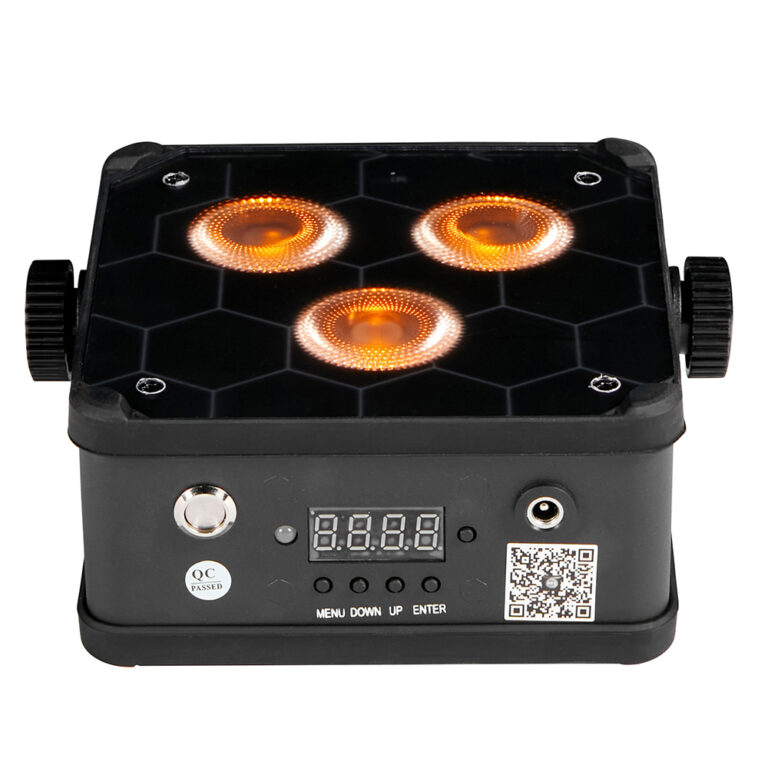
Wireless Uplighting for Weddings with Battery Operated DMX 512 54W
Éclairage décoratif à LED
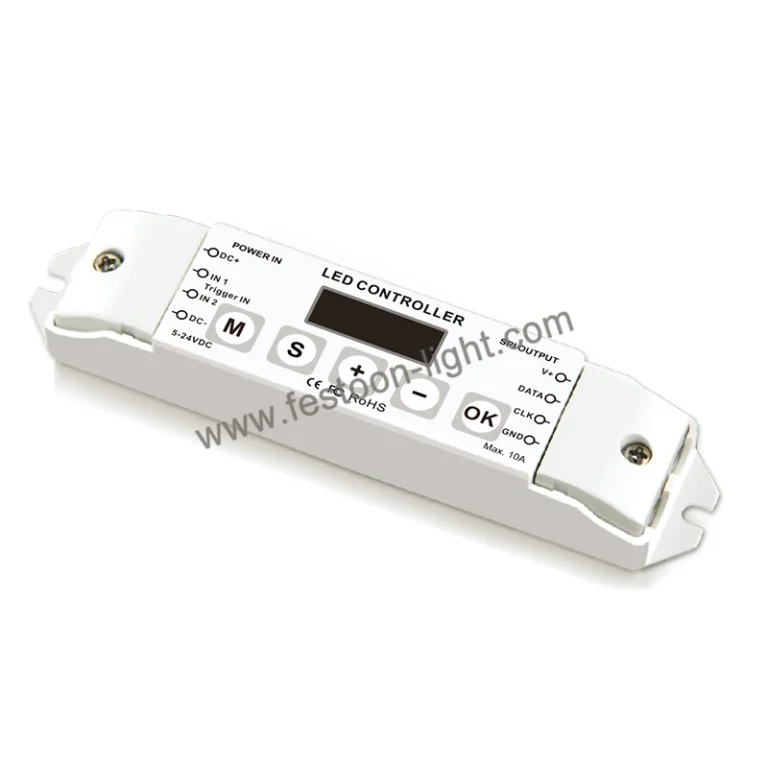
Pixel Light Controller RGB RGBW LED SPI Trigger
Contrôleur d'éclairage
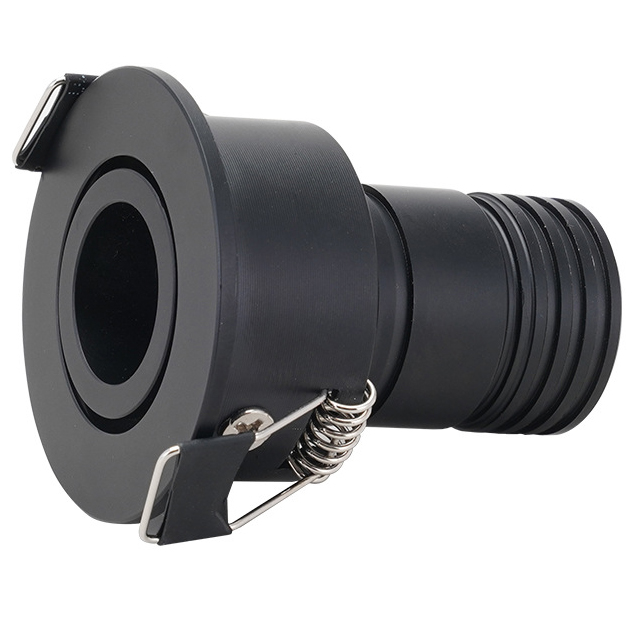
Mini RGB RGBW LED Downlights Embedded Programable DMX 512
Éclairage LED professionnel
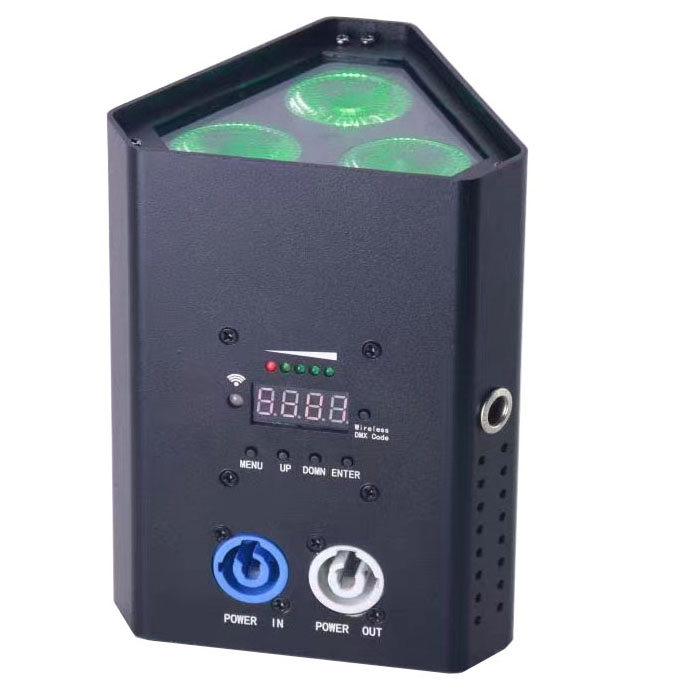
Wireless LED Battery Uplighters Triangle 54W DMX512
Éclairage décoratif à LED
Need Custom Solutions?
Toutes nos solutions d'éclairage LED peuvent être personnalisées en fonction de vos besoins. Nous proposons également des consultations gratuites et sans engagement, le développement de prototypes, des tests d'échantillons et pouvons vous accompagner dans vos projets de développement.
Simply contact us with your special requirements and our experts will gladly help you find the best solution for your project.